 English
 العربية

In horizontal directional drilling (HDD) through rock formations, the drill bit is the make-or-break factor for project efficiency and cost. Pick incorrectly, and you’ll grapple with slow progress, premature bit failure, or missed steering targets. Two bits stand out for HDD rock drilling: tricone bits and PDC (Polycrystalline Diamond Compact) bits. While both tackle rock, their performance diverges sharply based on rock type, hardness, and uniformity. Let’s break down how to select the right one for your HDD rock project.
Tricone bits have been a staple in HDD for decades, earning their reputation as the "all-rounders" of drilling. Their design features three rotating cones, each studded with either tungsten carbide or steel teeth. These cones spin independently as the bit rotates, crushing and grinding rock and soil in their path.
Historically, tricone bits were the top choice for HDD projects in varied rock formations. Their ability to handle mixed rock types—from soft sandstone to moderately hard limestone with intermittent fractures—made them indispensable for early non-excavation rock drilling, and they remain a trusted option for contractors facing complex rock conditions.
PDC bits, by contrast, are fixed-cutter tools equipped with synthetic diamond compact cutters bonded to carbide substrates. Unlike tricones, their cutters don’t rotate—instead, the entire bit spins, allowing the diamond edges to shear through formations with precision.
In recent years, PDC bits have gained momentum in HDD rock drilling due to advancements in cutter technology and bit design. Modern PDC bits are optimized for faster drilling in uniform rock formations, making them a preferred choice for large-scale, time-sensitive HDD projects in consistent rock like shale or homogeneous sandstone.
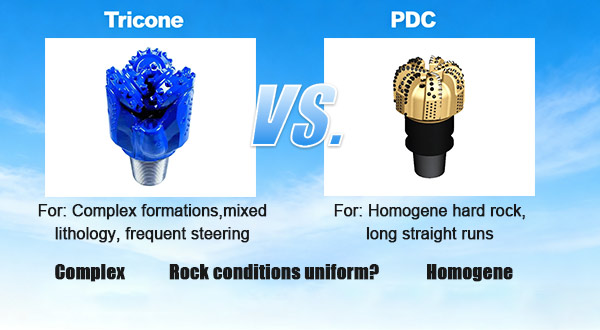
Tricone bits rely on a crushing and grinding action. As the cones roll, their teeth press into and fragment rock—ideal for handling fractured rock, mixed-hardness formations, or rock with embedded gravel. This mechanism absorbs shocks from sudden hard rock patches or fractures, minimizing the risk of bit damage.
PDC bits use a shearing action. The fixed diamond cutters slice through rock cleanly, creating finer, more manageable cuttings and consuming less energy. However, this works best when the rock is homogeneous and unfractured; fractures or abrupt shifts in rock hardness can cause the brittle diamond cutters to chip or wear unevenly.
Tricone bits for HDD rock drilling are modified with reinforced cone seals to prevent drilling fluid and rock fines from seeping into the bearings—a critical feature in long rock runs where maintenance access is limited. Their tooth shapes are also optimized for rock abrasion resistance, with tungsten carbide inserts standing up to gritty sandstone or quartz-rich rock layers.
PDC bits for HDD rock drilling feature specialized blade angles that balance cutting force and stability, ensuring consistent performance even at high rotational speeds in hard rock. Their junk slots (cuttings evacuation channels) are wider and more efficiently shaped to handle the high volume of rock cuttings generated in long HDD rock runs, reducing the risk of clogging and bit balling.
Tricone bits deliver steady, reliable ROP in mixed rock formations. For example, in an urban HDD project drilling through alternating layers of soft sandstone and moderately hard limestone with small fractures, a tricone will maintain consistent progress without stalling when hitting fractured zones. However, in uniform hard rock like dense shale, they can’t match the speed of PDC bits.
PDC bits shine in homogeneous rock. In a 1,000-meter river crossing through consistent medium-grain sandstone or shale, a PDC bit might drill 30-50% faster than a tricone, slashing days off the project timeline. But their ROP drops sharply in highly fractured or abrasive rock (like quartzite), where the cutters struggle to maintain a consistent cutting surface and are prone to impact damage.
Tricone bits excel at directional control in rock. Their rotating cones create less lateral resistance when changing direction, making them perfect for HDD projects in rock with multiple curves—like pipeline runs that navigate around subsurface rock formations or existing utilities. Contractors often prefer tricones for "snaky" rock paths where quick steering adjustments are needed.
PDC bits offer superior straight-line stability in rock. Their fixed cutters generate consistent lateral forces, helping maintain a precise trajectory in long, straight rock runs—such as cross-country pipeline projects through uniform shale beds. While they can handle gentle curves in rock, sharp turns increase the risk of cutter damage against hard rock surfaces and trajectory drift.
Tricone bits are tough but require regular checks in rock drilling. Their teeth wear down faster in abrasive rock (like granite or quartz-rich sandstone), and bearings can fail if seals are compromised by rock fines. However, maintenance is relatively affordable—contractors can replace worn tungsten carbide teeth or recondition cones on-site for a fraction of the cost of a new bit.
في ظروف الصخور المناسبة، تتميز رؤوس حفر PDC بمتانة فائقة. في الصخور الزيتية المتجانسة أو الحجر الرملي متوسط الصلابة، قد يتجاوز عمر رأس حفر PDC واحد عمر رأسين أو ثلاثة رؤوس حفر ثلاثية المخاريط. ومع ذلك، بمجرد حدوث تلف في الصخور - عادةً بسبب الاصطدام بالطبقات الصلبة أو الشقوق أو التآكل الشديد - غالبًا ما تكون العواقب وخيمة. استبدال رؤوس حفر PDC مكلف، لأنه في حالة تشقق رأس الحفر الماسي أو كسره على سطح صخري صلب، يجب استبدال رأس الحفر بالكامل.
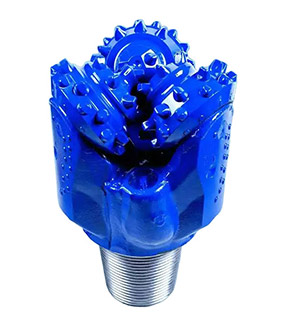
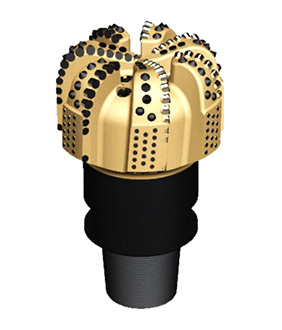
لا يوجد مثقاب "أفضل" عالمي لحفر الصخور باستخدام تقنية الحفر العميق (HDD). تُناسب مثقابات ثلاثية المخاريط الصخور غير المتوقعة أو المتشققة أو المختلطة، بينما تُناسب مثقابات PDC التكوينات الصخرية المتجانسة وغير المتشققة. يكمن السر في البدء بفهم واضح لنوع الصخور وصلابتها وكثافة الكسر، ثم مطابقة هذه العوامل مع نقاط قوة المثقاب.
من خلال أخذ الوقت الكافي لتقييم كلا الخيارين مقابل ظروف الصخور المحددة لديك، ستتجنب الصداع الناتج عن فشل البت المبكر وتبقي مشروع حفر الصخور HDD الخاص بك على المسار الصحيح وفي الوقت المحدد وفي حدود الميزانية. يمكنك الاتصال بنا وإخبارنا بالتفاصيل المحددة لمشروعك، وسوف نختار مثقاب الصخور المناسب لك.